



The Temptation to Fix Everything
After fifteen years of helping sellers in Hamilton, Halton, Niagara, and Brantford prepare their homes for market, I've watched a consistent pattern: sellers often assume they need to refresh, repair, and renovate nearly everything before listing. The kitchen feels dated. The master bath could use an update. The deck looks tired. Before they know it, they're staring down a five-figure repair bill—and wondering if they'll ever recoup that investment.
The truth is simpler: not every repair or improvement will return what you spend on it. Your job as a seller isn't to make your home perfect; it's to make it attractive enough to compete in today's market while protecting your bottom line.
Repairs That Matter to Buyers Here
Buyers in our region—whether they're looking in Stoney Creek, Dundas, or Ancaster; in Burlington or Oakville; in Niagara-on-the-Lake or St. Catharines; or in West Brant—share common concerns. They want to know the home is sound, safe, and move-in ready.
Foundation and structural integrity tops the list. If an inspection reveals concrete cracks, basement water issues, or signs of settling, addressing these—or at least being transparent about them and adjusting price accordingly—is non-negotiable. Buyers will demand it during conditions anyway.
Roof condition matters enormously. A roof that's nearing the end of its life is expensive to replace. If yours is ten-plus years old and showing wear, either repair it or be prepared for buyers to ask for credits or price reductions during negotiation.
Plumbing and electrical systems need to be safe and functional. Outdated knob-and-tube wiring, rusted pipes, or obvious code violations will trigger buyer concerns and potentially fail inspection. These are worth fixing before listing.
HVAC systems should be serviced and operating. You don't necessarily need a brand-new furnace, but a well-maintained, working system gives buyers confidence.
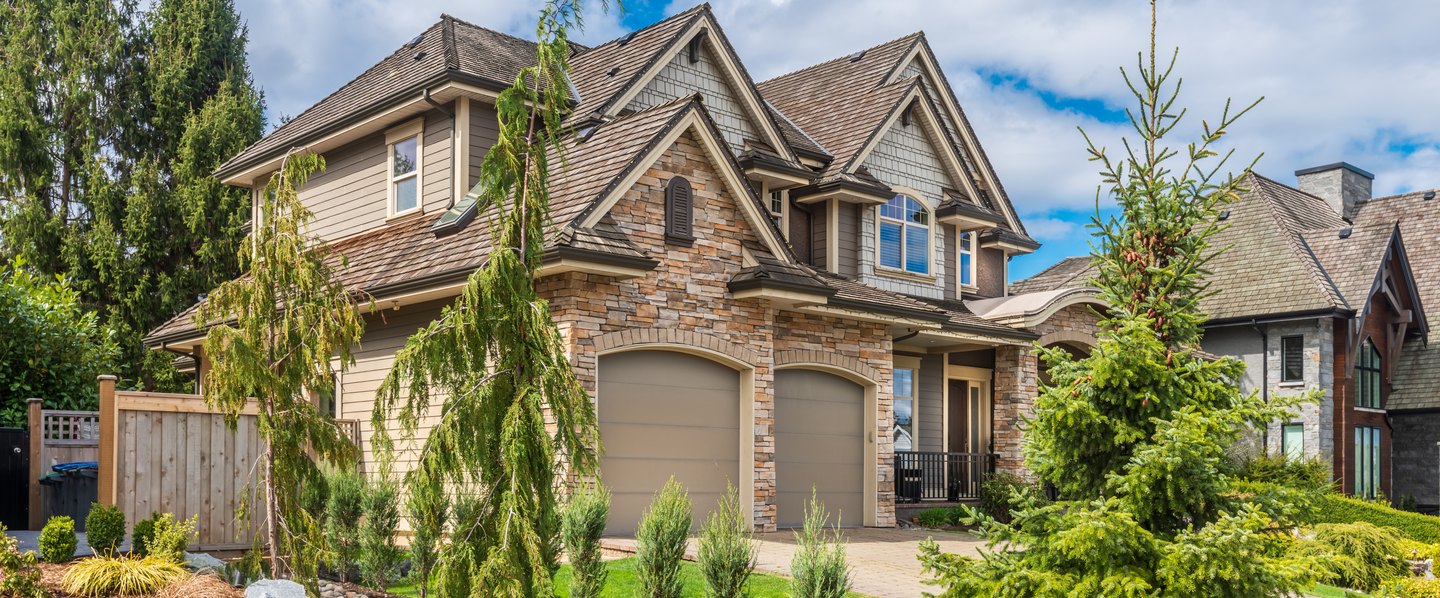
Beyond these essentials, curb appeal matters more than you might think. Fresh exterior paint, clean windows, tidy landscaping, and a welcoming entrance cost relatively little but influence buyer psychology from the moment they pull up.
What You Can Safely Skip
Here's where many sellers overspend unnecessarily:
Interior cosmetics often don't break even. A brand-new kitchen typically returns only 60–70% of its cost. Same with bathroom renovations. If your kitchen functions and is reasonably clean, leaving it for the buyer to personalize is often smarter than a $30,000 remodel you might never fully recoup.
Carpet and flooring vary in ROI. If your existing carpet is clean and neutral, replacing it might not be worth $5,000. But if it's visibly worn or stained, fresh flooring—especially in active areas like the living room and kitchen—can shift buyer perception noticeably. It's a judgment call, and I can help you make it.
Paint refresh is different. Neutral, fresh interior paint is nearly always worth doing. It's affordable and has measurable impact. But avoiding bold accent walls or trendy colors is wise; let buyers project their own style.
Deck, fence, or landscaping upgrades can be tempting, especially heading into spring. But unless these elements are actively deteriorating or unsafe, they're usually lower-priority investments. Many buyers prefer to customize outdoor spaces themselves.
Trendy fixtures and finishes can backfire. That popular tile backsplash or those statement light fixtures might feel dated to a buyer in two years. Keeping things classic is safer.
How I Help Sellers Prioritize
When you list with me, one of the first things we do is walk through your home with a clear-eyed list: what absolutely needs attention before we market it, what's cosmetic and optional, and what we address through pricing or negotiation instead of upfront investment.
I consider your neighbourhood, recent comparable sales, and current buyer expectations. A home in Waterdown might benefit from different priorities than one in Welland. Buyer demographics and market conditions matter.
I also factor in Ontario-specific realities. If your home is older and will need a status certificate (condo or co-op), that's a fixed cost you'll bear regardless. If there's a Land Transfer Tax implication, we work that into our strategy. And I always recommend buyers have a professional home inspection, which means serious defects will surface anyway—so we'd rather address them proactively than negotiate them downward during conditions.
The Real Win
The most successful sellers I work with aren't those who spend the most before listing. They're the ones who make strategic, ROI-focused improvements, present the home authentically, and price competitively. This combination generates buyer interest, fewer negotiations, and a faster close.
If you're thinking about listing in Hamilton, Halton, Niagara, or Brantford and want to know exactly which repairs are worth your investment, I'd love to walk through your home and give you a real, honest assessment. We'll build a plan that maximizes your return without wasting money on improvements that won't move the needle.
Let's talk. Call me at (905) 531-3741 or reach out to gina@golfi.ca. I'm here to help you sell smart.