

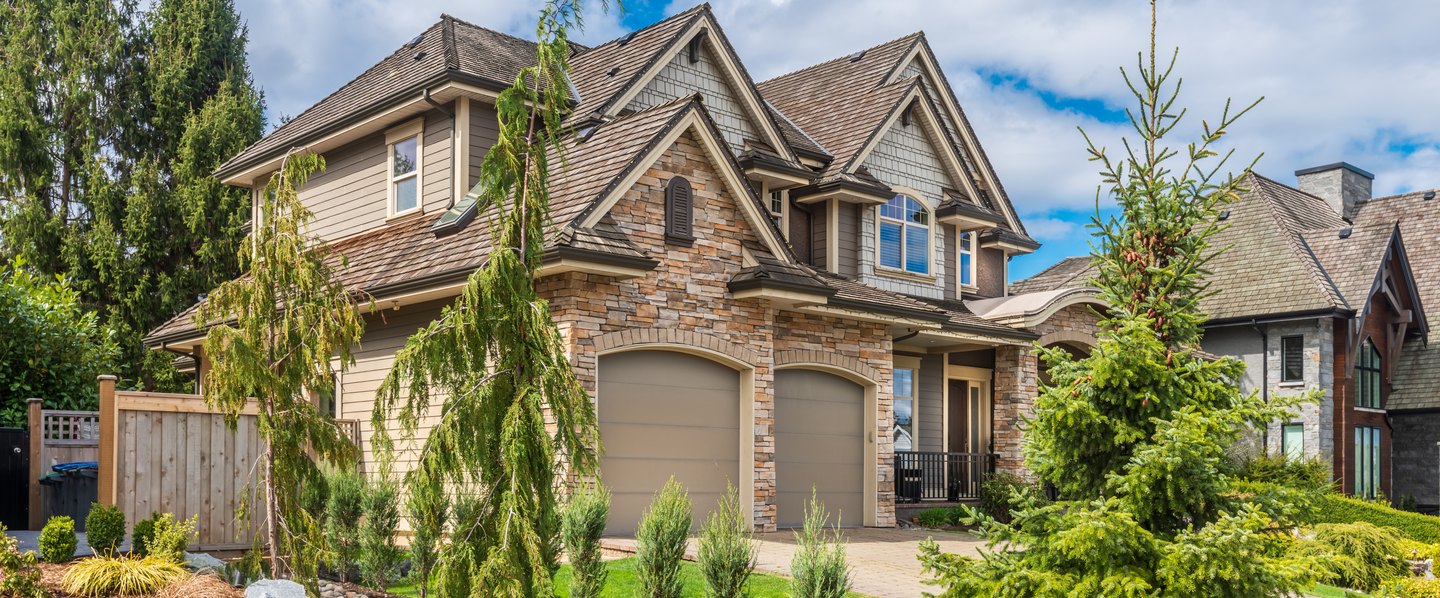


The Staging Paradox
I've been walking clients through homes across Hamilton, Burlington, Oakville, and Niagara-on-the-Lake for years, and I've seen staging transform spaces in remarkable ways. A neutral paint job, fresh flowers, carefully placed furniture, and professional lighting can absolutely make a property feel warm and inviting. The trouble is, that same magic can distract you from asking the hard questions—the ones that will affect your mortgage, your comfort, and your resale value down the road.
Ignore the Furniture; Inspect the Bones
When you walk into a home, take a moment before admiring the couch or the kitchen island. Look at the structure itself. Are walls plumb? Do windows sit square in their frames, or do you notice gaps? In older Dundas and Ancaster properties, check for settling—slight cracks in drywall near corners can be cosmetic, but horizontal cracks or stair-step patterns in brick or foundation mortar warrant a professional inspection.
Flooring is often heavily staged. Trendy rugs and area runners cover the actual condition of hardwood or tile. Ask the seller's agent to move or remove coverings so you can see what's underneath. Have they recently refinished the floor to cover wear, or is the subfloor sound? In our Waterdown and Stoney Creek markets, where many homes date back several decades, this distinction matters enormously for budgeting future work.
The Water Story
Staging rarely addresses moisture issues, and that's precisely why you need to hunt for them. Look in basement corners, crawl spaces, and around foundation walls. White powder (efflorescence) or rust-coloured staining suggests water has been present. In basement living spaces—increasingly popular in Milton and west Oakville—check whether waterproofing has actually been completed or if the seller has simply painted over concerns.
Smell the space. A faint damp odour that persists even with open windows and fresh paint is a red flag. Request the home inspection contingency in your offer—this is non-negotiable for Ontario purchases under the OREA APS (Agreement of Purchase and Sale)—and make sure your inspector specifically examines the foundation and any finished basement areas.
Systems Behind the Scenes
Staging hides—or doesn't address—the things that actually cost money to replace. Your realtor should help you ask about:
- Roof age and condition: Asphalt shingles typically last 20–25 years. If the home has had the roof painted rather than replaced, that's a temporary cosmetic fix. In Niagara-on-the-Lake and other lakeshore areas, wind-driven weather accelerates roof wear.
- Furnace and air conditioning: These systems are often in utility rooms or attics—areas rarely staged. Ask for maintenance records. A furnace that's more than 15–20 years old may be due for replacement, a substantial cost.
- Electrical panel: Outdated or potentially unsafe panels (such as Federal Pacific or Zinsco panels) can complicate insurance and future upgrades. Don't let granite counters or a pretty backsplash distract you from this reality.
- Plumbing: Polybutylene piping or galvanized steel is common in older Brantford and Hamilton homes and can fail. Copper is ideal; ask what the home has.
The Market Context Matters
In competitive markets like West Halton, where homes move quickly, staging is an investment sellers make to stand out. But standing out doesn't mean the property is sound. I encourage buyers to take a second tour without the seller's agent present if possible, or at least schedule a separate walkthrough once the home inspection report is in. You'll see differently when you're not being guided through a curated experience.
Ask the Right Questions
Your agent should request from the listing a detailed disclosure statement—required in Ontario—that outlines known deficiencies, previous repairs, and any ongoing issues. These documents often reveal what staging cannot hide. If a roof was replaced in 2010, that's information. If the basement had water damage five years ago and the solution was a new sump pump, you need to know that context.
Bring Your Inspector Early
I always advise clients to invest in a pre-purchase home inspection before finalizing an offer, especially in neighbourhoods like Ancaster and the Durand, where heritage homes are beautiful but sometimes harbour surprises. Your inspector will move through the space with a clinical eye, unaffected by décor. Their report becomes the foundation of your negotiation and your confidence moving forward.
Trust Your Gut
If something feels off—a smell, a visual inconsistency, a hesitation from the seller when you ask about an issue—listen to yourself. Staging can be lovely, but it's temporary. The home's actual condition is what you're committing to for years.
As you navigate the buying process in Hamilton, Halton, Niagara, or Brantford, remember that staging is a tool, not deception. But it's also not transparency. The homes that are right for you will hold up under careful scrutiny. If you'd like to discuss your next purchase and how to approach viewings with a clear-eyed strategy, I'm here to help. Give me a call at (905) 531-3741 or email gina@golfi.ca. Let's find you a home that's beautiful inside and sound underneath.